Caring for Claggett Creek, together
A community-based watershed council supporting education, stewardship, and restoration across Marion County, Salem, and Keizer.
Who we are
The Claggett Creek Watershed Council is a nonprofit public benefit corporation working with residents, local governments, and partners to protect and improve the health of the Claggett Creek Watershed.
Stewardship at the local level
Education
Watershed education and accessible information for residents and partners.
Stewardship
Community involvement that protects creek habitat and water quality.
Restoration
Supporting projects that improve the health of Claggett Creek.
Coordination
Bringing residents, agencies, and local partners together.

Why Claggett Creek matters
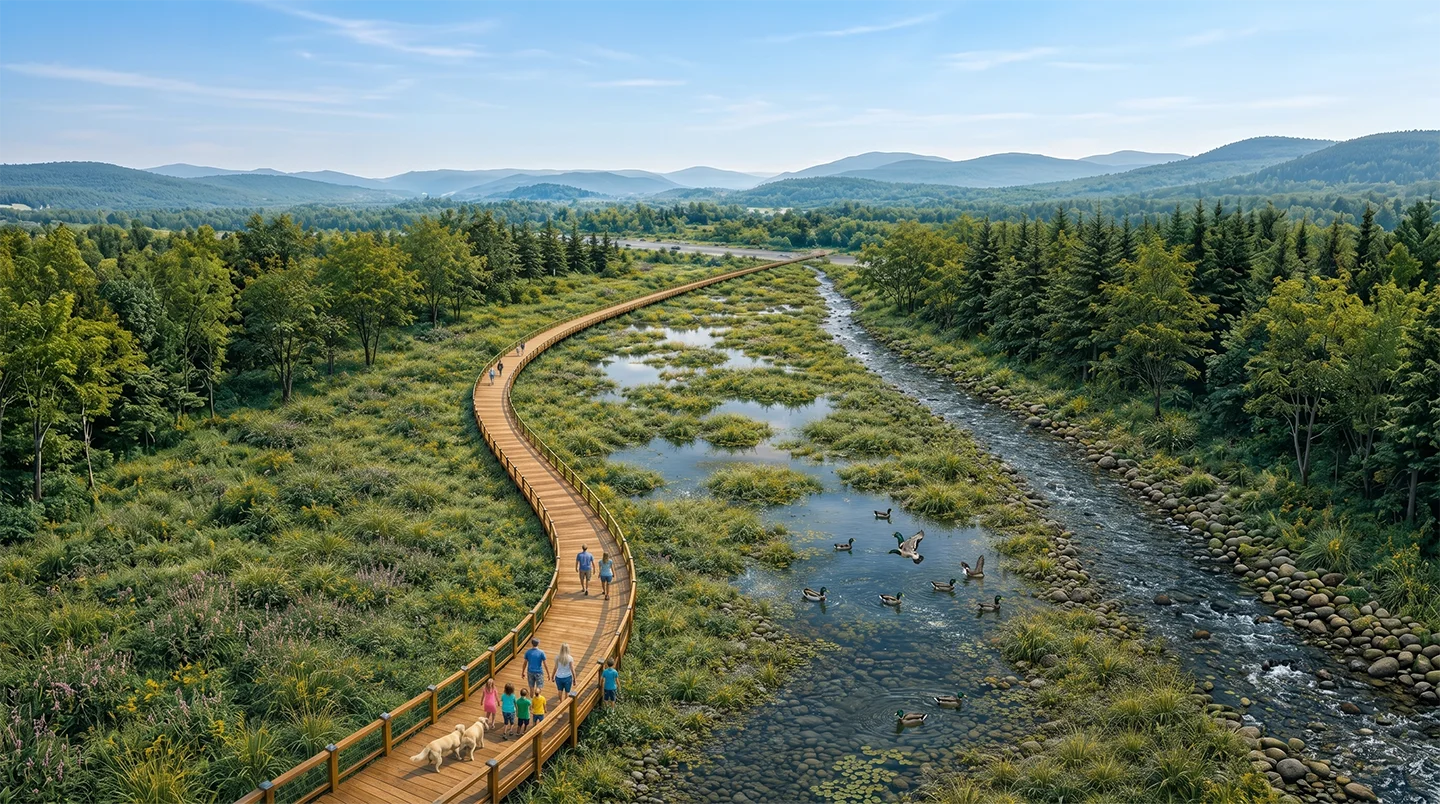
Claggett Creek covers roughly 20 square miles in Marion County, flowing through Salem and Keizer before draining toward Clear Lake and the Willamette River. It connects neighborhoods, parks, wetlands, and wildlife habitat — and depends on all of us to stay healthy.
Explore the watershedAgendas, summaries & records
Browse meeting agendas, summaries, bylaws, and other public documents.
Small actions, real impact
- Yard care
Keep yard debris out of creeks
Never dump leaves, clippings, or branches into creeks or drainage areas — it harms water quality and aquatic habitat.
- Stormwater
Keep storm drains clean
Sweep leaves and debris away from storm drains so rainwater can flow freely and pollutants stay out of the creek.
- Yard care
Use less fertilizer and pesticide
Reduce chemical runoff by using fertilizers and pesticides sparingly, or switch to organic alternatives.
- Pollution prevention
Keep oil, paint, and chemicals out of storm drains
Storm drains flow directly to the creek. Dispose of hazardous materials at approved facilities.
- Habitat
Plant native vegetation
Native plants near drainage areas help filter water, prevent erosion, and provide habitat for local wildlife.
- Community
Pick up pet waste
Pet waste carries bacteria that contaminate streams. Always bag it and dispose properly.